

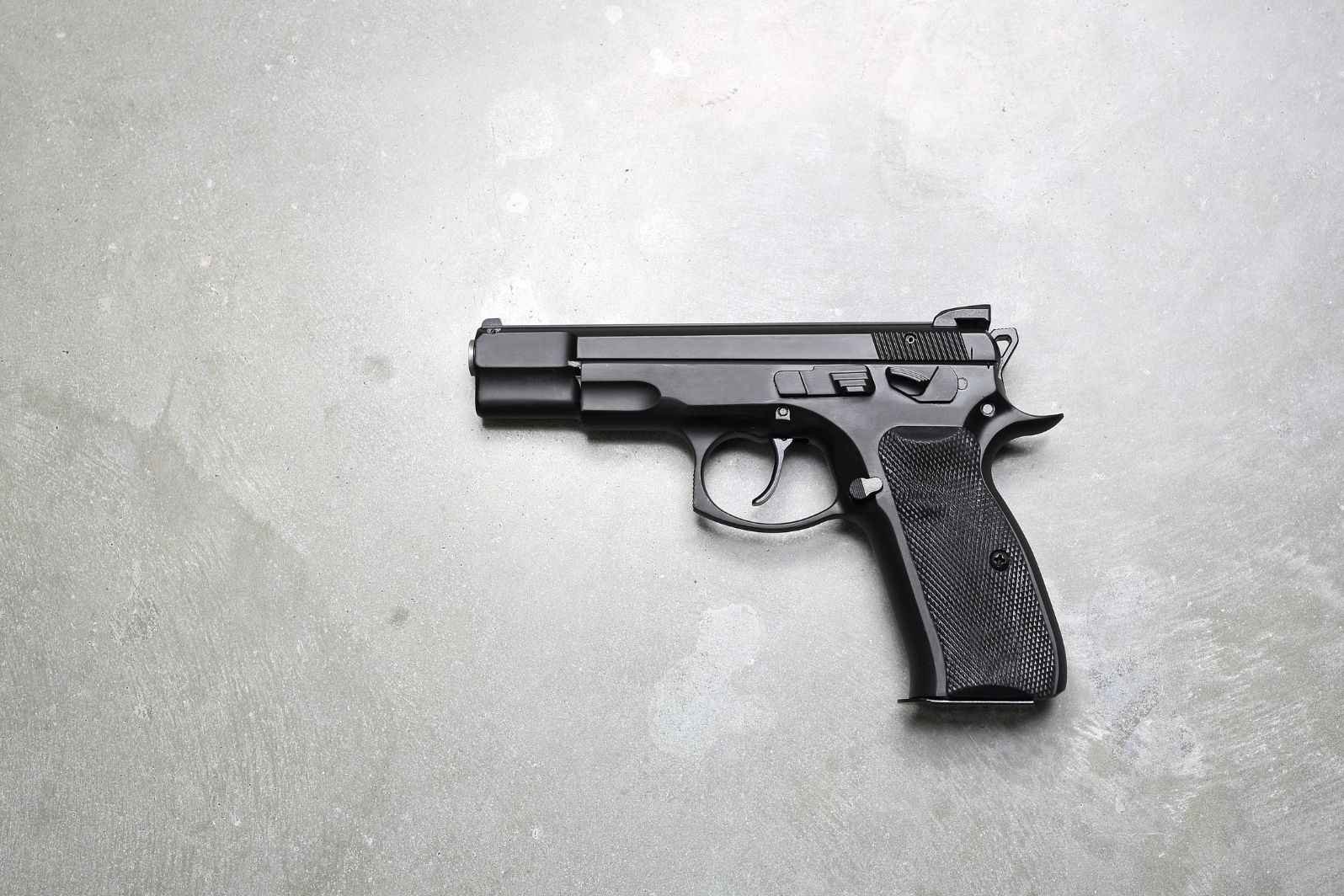
Walking into a gun store for the first time can feel a bit like being dropped into a foreign country where everyone speaks a language full of terms that sound vaguely familiar but don’t quite make sense. Calibers, actions, grain weights, sight systems – the terminology alone is enough to make someone’s head spin. Add in strong opinions from enthusiasts who each insist their preferred setup is the only reasonable choice, and the whole process becomes intimidating fast.
The good news is that buying a first firearm doesn’t have to be this complicated. Strip away the noise and it comes down to some fairly straightforward considerations. The challenge is figuring out which information actually matters and which is just people getting excited about their hobby.
Starting With Purpose, Not Products
Most new buyers approach this backwards – they start looking at specific guns before they’ve really thought through what they need one for. That’s putting the cart before the horse. A firearm for home defense has different requirements than one for target shooting at a range. Something for concealed carry needs features that a hunting rifle doesn’t. Trying to find one gun that does everything well usually means ending up with something that does nothing particularly well.
So the first question isn’t “which gun?” but “what for?” Be honest and specific here. “General protection” is too vague. “Keeping in a bedroom safe for potential home intruders” is specific enough to narrow choices. “Taking to the range twice a month to practice” points toward different options than “keeping in a vehicle for rural travel.”
Once the purpose is clear, the field of options shrinks considerably. Handguns dominate home defense and concealed carry discussions. Rifles and shotguns enter the picture for different scenarios. Each category has dozens of models, but at least the type of firearm becomes obvious based on intended use.
The Questions That Actually Matter
Gun store employees and range instructors hear certain questions constantly from new buyers. Some of these questions are useful. Others reveal someone who’s been watching too many movies or reading internet forums without context. Knowing which Questions to Ask When Buying a Gun can help separate meaningful considerations from background noise.
Caliber discussions eat up enormous amounts of time and generate fierce debate, but for a first gun the answer is usually simpler than people make it. Common calibers are common for good reasons – ammunition is easier to find and costs less, more training resources exist, and firearms chambered in popular calibers have proven themselves through widespread use. Getting exotic with a first purchase usually just creates headaches.
Size and weight matter more than people expect. A gun that feels fine during a five-minute handling session in a store can become uncomfortable quickly during actual use. For concealed carry, weight affects whether someone will actually carry it regularly. For home defense, size affects how easily it can be stored securely while remaining accessible. These practical considerations trump theoretical ballistic performance.
Ergonomics often get dismissed as subjective preference, but hand fit affects everything from comfort to accuracy to safety. If the grip is too large or small, if controls are awkwardly placed, if the trigger reach is uncomfortable – these issues don’t go away with practice. They become sources of frustration that affect how often someone trains and how confident they feel using the firearm.
The Reliability Factor Nobody Wants to Hear About
Every gun enthusiast has brands they swear by and brands they won’t touch. Ask ten people and get twelve opinions. But here’s the thing – for a first gun, boring reliability beats interesting features every single time. This isn’t the purchase where someone should take chances on bargain brands or unusual designs that might be great or might be problematic.
Established manufacturers with long track records and widespread use offer something valuable: if something goes wrong, parts are available and gunsmiths know how to work on them. Going with an obscure brand might save money upfront, but if it needs service or parts, that savings evaporates quickly. And reliability issues with a first gun can sour someone on ownership entirely.
This is also where reading reviews requires some interpretation. Online gun forums contain useful information mixed with bias, outdated information, and people repeating things they’ve heard rather than experienced. Professional reviews from established publications tend to be more reliable but can pull punches to maintain manufacturer relationships. Personal recommendations from experienced shooters carry weight, but everyone’s experience is limited to their own firearms.
Budget Realities and Hidden Costs
Sticker shock hits hard when shopping for quality firearms. Budget options exist, and some are perfectly adequate, but there’s usually a reason that proven models cost what they do. The question becomes whether spending less upfront means dealing with problems later or simply means getting a less refined product that works fine.
But the purchase price represents only part of the financial commitment. Ammunition costs add up quickly, especially during periods of shortage or panic buying. Training courses range from affordable to expensive depending on quality and depth. Storage requirements aren’t optional – secure storage is both a legal issue in some areas and a basic safety necessity.
Then there’s the maintenance side. Cleaning supplies, gun oil, replacement parts – these aren’t huge expenses individually but they’re ongoing. Some new owners cheap out on maintenance gear and regret it. A quality cleaning kit costs less than having to take a neglected firearm to a gunsmith.
Range fees deserve mention too. Unless there’s access to private land, practicing means paying to use a range. Membership options often make sense for regular shooters, but that’s another ongoing cost to factor in. Free or cheap alternatives exist – public land in some areas, informal ranges in rural locations – but these come with their own considerations around safety and convenience.
The Try Before You Buy Approach
Nothing beats actually shooting different options before buying. Many ranges offer rentals, and while the rental fees add up, they’re cheaper than discovering after purchase that a gun doesn’t suit its owner. This is especially valuable for new shooters who don’t yet know their preferences.
Some things only become apparent through actual use. Recoil that seemed manageable during one magazine becomes tiring after an extended session. Controls that were fine in theory feel awkward in practice. Accuracy that looked good at seven yards falls apart at fifteen. These real-world discoveries prevent expensive mistakes.
Friends or family members who own firearms might be willing to let someone try theirs at the range. This comes with the usual caveats about not feeling pressured into buying what someone else likes, but hands-on experience with different options provides information that research alone can’t match.
Understanding the Post-Purchase Responsibilities
Buying a gun creates obligations that extend beyond the transaction. Safe storage isn’t optional, both for legal reasons in some jurisdictions and for basic household safety. This means budgeting for and setting up proper storage before bringing a firearm home, not after.
Training requirements vary by location but responsibility doesn’t. Someone who buys a gun without learning to use it safely and effectively has created risk without benefit. Basic safety courses represent the bare minimum. Ongoing practice ensures skills don’t degrade over time.
Legal knowledge matters too. Laws around firearms vary dramatically by state and sometimes by locality. What’s legal in one place might be a felony thirty miles away. Storage laws, transportation requirements, places where carrying is prohibited – ignorance of these regulations creates serious legal exposure.
Registration and documentation requirements differ by location as well. Some states require registration, others don’t. Some sales require background checks regardless of where they occur, others exempt private transfers. Understanding local requirements before attempting a purchase prevents complications and potential legal issues.
Making the Final Decision
With all this information in mind, the actual decision often comes down to a relatively short list of options. Common recommendations for first-time buyers exist for good reasons – certain models have proven themselves through decades of use and millions of satisfied owners. Going with these proven choices might not feel exciting, but it usually works out well.
That said, personal fit matters more than following someone else’s recommendations. A gun that’s perfect for one person might be completely wrong for another based on hand size, strength, intended use, or comfort level. The goal is finding something reliable and appropriate for the intended purpose that the owner will actually use and maintain.
Patience pays off in this decision. Rushing into a purchase because of a sale price or emotional reaction often leads to regret. Taking the time to research, handle multiple options, shoot rentals if possible, and think through the full ownership picture results in better outcomes. This is a significant purchase that deserves consideration proportional to its importance and cost.
The overwhelming feeling that comes with first-time gun buying tends to fade once someone focuses on their specific needs rather than trying to absorb everything at once. Start with purpose, narrow options based on practical requirements, prioritize reliability and fit, and the decision becomes manageable rather than paralyzing.


