

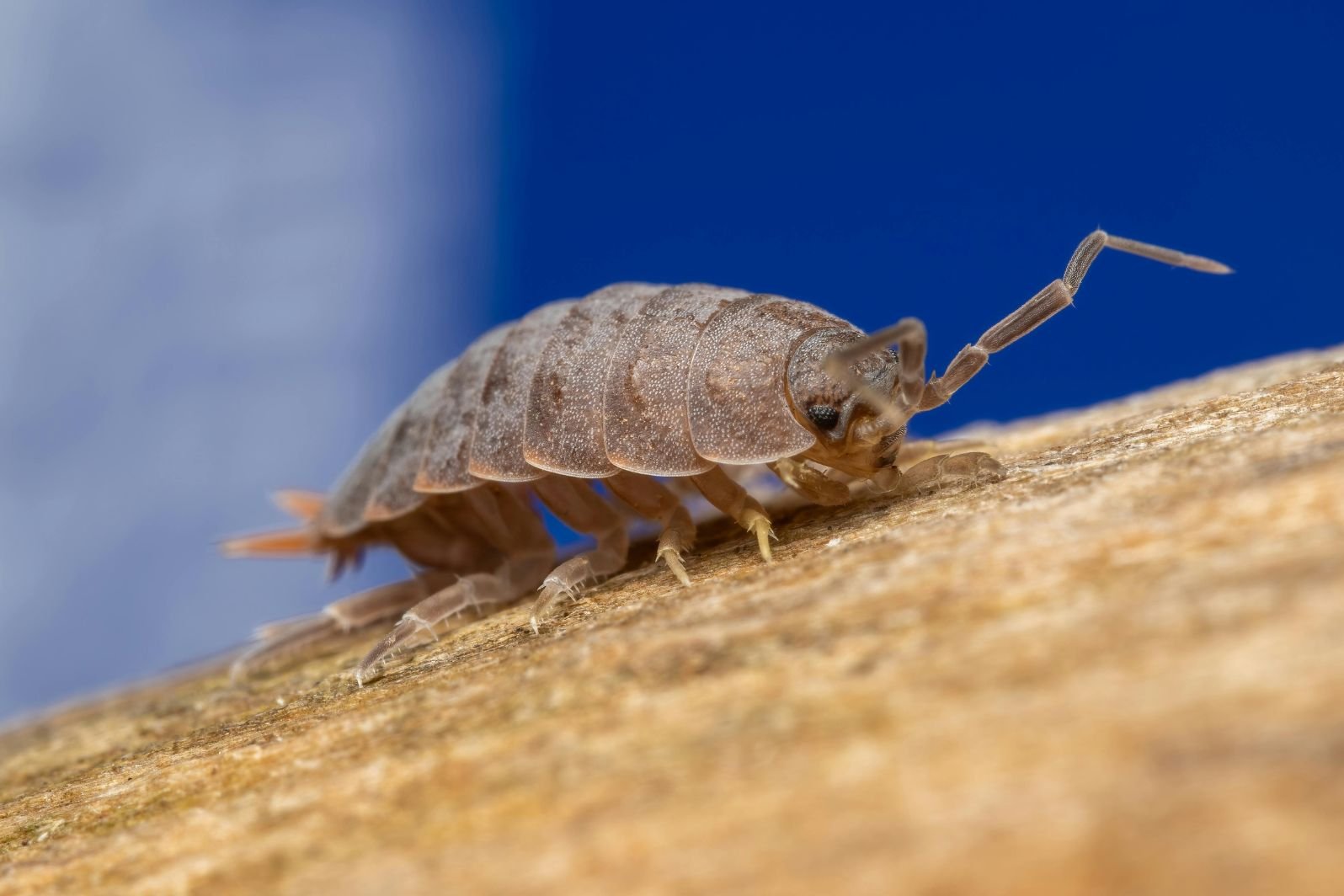
Gentle movement inside enclosed green spaces creates a striking visual rhythm that instantly draws attention toward living soil activity. Tiny surface crawlers slowly reshape plant surroundings while supporting balanced moisture control across layered habitats. Collectors often admire how isopods quietly support cleaner surroundings through natural breakdown activity within enclosed glass settings. Rich textures formed by bark pieces moss layers plus soil particles appear more attractive when small organisms remain active beneath the surface. Calm environmental motion also helps decorative spaces appear lively without excessive maintenance. Creative habitat arrangements now focus more on balanced living systems that combine visual appeal with practical environmental support.
How Tiny Crawlers Improve Visual Appeal?
Small ground dwellers contribute to attractive layered surroundings through steady surface movement plus gentle interaction with natural materials. Their slow crawling patterns create motion that keeps enclosed displays from appearing still or empty. Plant roots also benefit from improved surface conditions created through organic waste breakdown inside controlled spaces.
Collectors often arrange bark pieces, leaf material plus soft moss around active colonies for a richer display. Light reflections across moving shells create an appealing view during daytime observation periods.
Natural Surface Activity Inside Glass Spaces
Organic environments become more balanced when soil organisms remain active beneath decorative layers. Moisture spreads more evenly across enclosed surroundings while waste material breaks down gradually through daily movement. Small habitat systems, therefore, maintain cleaner appearances for longer periods.
Some common visual benefits include:
- Gentle soil turning supports cleaner plant surroundings
- Surface motion creates richer viewing patterns
- Moist areas remain balanced through regular crawling
- Bark textures appear stronger beside active colonies
These details encourage hobby groups to focus on natural habitat design rather than artificial decoration choices.
Why Living Soil Systems Matter?
Healthy enclosed environments rely on proper interaction between plants moisture plus underground organisms. Balanced activity supports cleaner surfaces while reducing unwanted buildup around decorative materials. Quiet movement beneath moss sections also creates subtle visual depth across display containers.
Careful placement of these elements supports attractive surroundings without creating overcrowded layouts.
Can Small Organisms Support Plant Growth?
Plant sections inside enclosed displays often appear healthier when underground activity remains balanced. Organic material slowly breaks apart, which supports cleaner root surroundings plus stable soil texture. Moisture also spreads more naturally across planted areas through daily crawling patterns.
Decorative arrangements become easier to maintain because surface buildup decreases over time. This method supports greener surroundings without constant adjustment from hobby keepers.
Creative Layout Styles for Enclosures
Modern display creators often combine layered textures with active underground life to produce eye-catching arrangements. Rounded stones, twisted wood pieces plus moss sections help create strong visual contrast across enclosed environments. Balanced movement beneath decorative layers gives each display a living appearance.
A few helpful arrangement ideas include:
- Curved bark pieces create sheltered corners
- Thick moss sections support damp surroundings
- Open viewing spaces improve observation angles
- Dark soil tones strengthen plant visibility
Within these decorative setups, many keepers include isopods for both practical support plus gentle environmental movement.
Quiet Movement Creating Lasting Interest
Enclosed habitat collections remain visually appealing when subtle motion continues throughout the day. Crawling activity draws attention toward small details that might otherwise remain unnoticed inside planted containers. Visitors often appreciate how natural systems continue changing without large adjustments or artificial additions.
Slow environmental interaction also creates a calming viewing effect for collectors seeking natural decorative arrangements within indoor spaces. Balanced habitat care, therefore, becomes easier while maintaining an attractive visual structure.
Lasting Habitat Value
Living display containers achieve stronger visual harmony when balanced soil organisms support ongoing environmental activity. Subtle crawling motion beneath layered materials helps enclosed spaces appear fuller while supporting cleaner surroundings over longer periods. Decorative layouts also remain more manageable because organic matter breaks apart naturally across planted sections. Careful placement of bark moss plus soil textures creates richer depth that improves viewing quality from every angle. Hobby keepers now prefer sustainable habitat arrangements that combine visual attraction with practical environmental support. Thoughtful care routines together with active underground life help enclosed plant systems maintain steady structure plus long-term decorative appeal.
FAQ
- Why are soil organisms useful inside enclosures? They help maintain cleaner surroundings naturally.
- Do active colonies affect visual appearance? Yes. Gentle movement creates stronger visual depth.
- Can moss remain healthy beside underground activity? Proper moisture balance helps moss stay vibrant.
- Are layered layouts important for display quality? Yes. Texture variation improves overall presentation.
- Does crawling activity support soil conditions? Regular movement helps maintain balanced surface structure.


